Showing posts with label journalism. Show all posts

Tuesday, January 30, 2018

The anatomy of the far right's fake news program


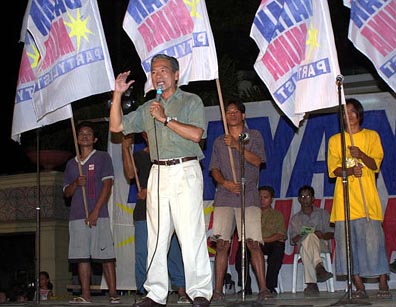
image from alexsarchives.org

SENATOR, the far right doesn’t mind that its communications people engaged in the peddling of fake news find themselves, along with the far-right parties hosting them, placed in a bad light. After all, the far right’s fake-news programming is not interested in hijacking the image of virtuous truthfulness traditionally claimed by journalism, the reason why it often resorts to “kidding”/“joking” (its darling technique for confusing the issues) or otherwise violent anger. The mission of the far right’s post-truth politics is to render all information suspect or personal, especially information coming from the institution of journalism that it habitually counter-accuses, naturally, of being the fake one every time the latter shouts “fake” toward an item coming from the populist right. In the final attainment of a culture of cynicism in society, where all claims at having reached the truth would have naturally been weakened (almost as if to parody left-leaning post-structuralism), it is true that the far right’s own truth-peddling would suffer, too. . . . But so will journalism’s ability to convince! That journalistic impotence is the sole or final target of the far right’s program of popularizing the political virtue of the sneering and laughing lie. For when that culture is reached, where information from all quarters (including its own) becomes trash, all the far right’s secrets become freed from the impact of any kind of journalistic scrutiny, all journalism in its old sense having now been rendered feeble, and all rightist propaganda that have replaced journalism made newly sacrosanct. [S / -I]


Friday, January 22, 2016

Everyone must feel royal about it


photo borrowed from http://kickerdaily.com/kris-aquino-erupts-in-anger-after-netizen-called-son-bimby-gay/


SO, all right, I guess everyone's got their fill on what happened to TV celebrity Kris Aquino's son Bimby last Wednesday and probably are better off, if I can be allowed a bit of ironic clause, without having a cup on what happened to a land reform beneficiary in Negros last January 9. And, just now, somebody nudged me if I heard about that Aquino statement of 2014 concerning herself and sex, which presumably also was all over Facebook in that year's January month, to which I said "no" and was therefore instantly sent a link to this report, "Kris admits not having sex", and the following video:


     I get it that many would rather get news about more serious tragedies and expect the news media to offer them precisely those. But I think they just miss the point and significance of all media coverage on the life and hours of Kris Aquino.
     For here's what else I think:
     I guess the point of all this Aquino-centric journalistic coverage is Kris Aquino herself as a vehicle for her unconscious self-promotion regarding her selfhood and selfness and therefore as a royal figure who has got all our attention but really no different than the average citizen who has to tweet on everything that he's doing right now. Such tweets, for instance, as "I'm kissing our dog's asshole right now."
     That unabridged character of hers should make Aquino everyone's Facebook friend, then. Not that all Facebook friends are true friends, but you get the idea. The concept of the "selfie" cannot be limited to self-held cameras and must now be extended to the shooting off of words that resemble the spirit of the selfie. The selfie, of images and words, thence will be seen not just as a simple gesture by individuals qua pointless individuals but as a symbol of their communing with the community of selves interested in each other's selfhood and selfness.
     If media coverage on KA, whether Boy Abunda-instigated or not, manifests a royalist pop culture, then indeed this mini-essay of mine is a Facebook thumb-up to all our little counter-royalisms. I see nothing wrong with either this media obsession with the stars nor with our own little forays into self-promotion on Facebook. I think we should all be stars to each other in the star system we design for ourselves according to each of our (narrow and broad) ideas about the universe. [S / -I]


Wednesday, March 20, 2013

Mas mabenta sa mga network ang bakbakan at iyakan sa Sabah kaysa ang mapayapang usapan sa geopolitics (o, Ang tunay na kuwento sa likod ng Sabah invasion)


photo from blauearth.com

AWAY SA TOPIC
JANUARY 9, 2013. Naroon kaming tatlo, ako, ang kaibigan kong pintor at ang kaniyang asawa, sa Ma Mon Luk Quezon Avenue kasama ang ilang mukhang pulitiko sa ibang mga mesa na dumating lulan ng mga Pajero nila na may kasama pang mga police escorts.
      Kung maririnig mo ang usapan namin, parang see-saw: ang kaibigan ko'y gustong mag-focus sa mga simbolo ng pop culture habang ako ay nakatuon, at least sa araw na iyon, sa mundo ng geopolitics. At lahat ng ito ay sa harap ng mainit pang siopao bago dumating ang aming wonton soup.
      Geopolitics. Don't we just love this topic? Isn't this the alphabet we'd like to see in our soup? By we, of course, I can't include Philippine television.
      Unti-unti, nadala ko rin ang kaibigan ko sa topic na mas gusto ko noong araw na iyon, at napunta na nga ang usapan namin sa pagtulong ni Mr. Ma sa mga Hapon noong panahon ng giyera, mga Hapong gustong magpalaki ng teritoryo para makakuha ng yamang maiuuwi nila sa kanilang Emperador at mga isla. Painful memory, but almost forgotten. Sa isang mesa naman, pinag-uusapan ang isang tumatakbo sa pagka-senador na si Mitos Magsaysay, na sabi'y dismayado at di natuloy ang ZTE deal ni Gloria Arroyo with China (see ZTE scandal). Pero bagamat politics na may geopolitcs pa rin ang usapan from table to table, walang cinematic theme sa Ma Mon Luk, walang barilan kahit me mga talk of wars of the past. Dito, everything's pure, boring Discovery Travel and Living television around a hot siopao while waiting for one's wonton soup.

AWAY SA LUPA
FAST-FORWARD sa February 9.
      Around 200 kataong pinamunuan ng kapatid ni Jamalul Kiram III na si Agbimuddin Kiram ang nag-land “illegally” sa Lahad Datu, isang town-district sa “Malaysian state” ng Sabah. Supposedly iyon ay isang irredentist siege na nag-a-assert ng claim ng Sulu Sultanate sa state ng Sabah. Ang mga taong yaon ni Kiram, na ang karamiha’y heavily armed, engaged in a standoff with Malaysian police, telling reporters Malaysia is "only renting" Sabah from the heirs of the Sultanate and should be the one to leave.
      Ang pangulo ng Pilipinas, si Benigno Aquino III, ay nagpadala ng mensahe kay Kiram na mag-stand down at i-settle ang kanilang claim sa pamamagitan ng isang peaceful process. Tinukoy niya ang kabuhayan ng mahigit 800,000 na Filipino (documented at hindi) sa Sabah na madidiskarel ng isang bayolenteng konprontasyon with the Malaysian forces. Inusig ni Aquino si Kiram sa kanyang ginawa at sinabihang pabalikin na niya ang kanyang mga tagasunod at pag-usapan na lang ang lahat, habang sinabi rin niyang nararapat arestuhin si Kiram sa kanyang ginawa, dahil siya’y nakikipag-giyera sa ngalan ng Pilipinas, na isang krimen ayon sa Konstitusyon. May mga nagalit sa media at sa oposisyon sa tough talk ng Presidente.
      Si Kiram naman, for his part, ang nagsabing siya’y naubusan na ng pasensya sa gobyerno ni Aquino (at ng mga nakalipas na gobyerno), at ito'y matapos ang isang diumano’y sulat niya sa Palasyo ay ayon sa kanya'y hindi binigyan-pansin ng kasalukuyang Pangulo. MalacaƱang searched, or pretended to search, for the letter. Sa kasagsagan ng standoff, nagpatawag ang Palasyo ng isang press briefing upang ianunsyo na ang nasabing sulat ay nakita, kung kaya’t makabubuti na sa lahat kung magpunta na si Kiram sa Maynila para mapag-usapan ang kanyang claim. Ngunit, dagdag pa ng announcement, di ito nangangahulugan na abswelto na si Kiram sa ginawa niyang paglabag sa batas ng Pilipinas.
      Nang tangkain nang arestuhin ng Malaysian forces ang grupo ni Kiram, nagkaroon ng palitan ng putok. Nabalita agad na may mga nasawi, kasama ang ilang sibilyan. Nagkaroon ng isang exodus ng mga manggagawang Pilipino (karamihan Tausug) by outrigger boats and small launches. Bagamat binalita ng Philippine media ang pagkasawi ng ilang Malaysian police, majority ng reports ay tungkol sa mga nangyayari sa partido ni Kiram at sa mga displaced Filipino workers, understandably.
      Ngunit tila sinisi ng media at ng social networking public opinion ang tough talk ng Aquino administration sa mga mensahe nito sa partido ni Kiram na tila raw siyang nag-udyok sa partido ni Kiram na ituloy ang “invasion” at naging sanhi na nga ng pagsiklab ng putukan. May tila pagkiling daw ang gobyerno natin sa mga reactionary forces at interes ng Malaysia. Yun ang sinasabi ng pamilya Kiram at tila yun din ang slant ng maraming reporting ng media at propaganda/amateur “reporting” sa Facebook. Gumamit ng hindsight bias ang mga opinyon ng kritiko ng gobyerno para ipagduldulan ke Aquino ang hard tone na ginamit niya para takutin si Kiram, na ayon sa kanila’y isang tonong tila di umobra. Hi-nype-up ng mga opinyong ito ang isang “amateurish handling” daw ng gobyerno sa ongoing crisis, at tinawag pa nga ang later “disengagement” call ni Secretary of Interior and Local Government Mar Roxas na mabagal ang pagdating sa huling minuto.
      Sa kasagsagan ng conflict, umapela rin si DSWD Secretary Dinky Soliman sa media na huwag tawaging “refugees” ang mga Pilipinong pabalik ng Mindanao galing Sabah. “Can I also request the media not to call them refugees because they are not,” she reportedly said. “They’re returning citizens. They are not refugees. Kasi iba ‘yung refugee. It’s as if you’re fleeing your country and you don’t have a country; they do. They are Filipino citizens, working in Sabah [who are] unfortunately not documented.”
      Tila nag-backfire ang statement na ito ni Soliman, what with media’s focus on the horrors of the ongoing armed conflict. Soliman ought to have been aware of the fact that media’s micro-journalism was painting a patriot out of Kiram’s person and a Malaysian collaborator out of Noynoy Aquino’s.


photo from gmanetwork.com

AWAY SA DEPINISYON
OKEY. GUSTO kong dito simulan ang sanaysay ko tungkol sa isyu. Let us examine Soliman’s statement.
      “Kasi iba ‘yung refugee. It’s as if you’re fleeing your country and you don’t have a country; they do. They are Filipino citizens, working in Sabah [who are] unfortunately not documented.”
      Technically, mukhang wala namang mali. Dahil kung may paghahanap man ng refuge na nangyari, tila ito’y nangyari noon pa, noong lumikas ang mga workers na ito sa Mindanao patungong Sabah bilang mga economic refugees mula sa bansa nilang walang maibigay sa kanilang trabaho o kabuhayan.
      Technically also, di natin puwedeng masabing bansa nila ang Sabah, unless they count themselves as subjects of the Kiram monarchy, and many of them do not. Kahit ang isang Pilipinong nagkaroon ng titulo ng lupa roon would have a readily existing technical dispute between himself and the Kiram royal family.
      Technically, ang Sabah ay bansa in transit. On paper, it may be said to belong to the Philippines, ngunit wala pang may may-ari, dahil puwede mo ring sabihing technically ay maaaring di i-honor ng Kiram family ngayon ang 1962 ceding of Sabah to the Philippines ng previous Raja Muda na si Muhammad Esmail Kiram I. Puwede mo ring sabihing hindi rin atin ang Sabah kung wala tayong kakayahang i-enforce ang ating claim by force, which force would technically strengthen the claim. Technically, therefore, wala pang may may-ari dahil in transit, pinag-aagawan ang sovereignty, by both paper claims or claims by force (or disguised force).
      So, umaksyon na nga si Kiram III para sa kanyang sovereignty claim, na meron nang force element, through his irredentist move. Sadly, though, ang action na ito ni Jamalul Kiram III demonstrating sovereignty also presumed a sub-sovereignty, parang provincial sovereignty claim under the Philippines' national sovereignty claim. Malungkot ito, sabi ko, dahil may kontradiksyon. Malungkot, dahil ang kontradiskyon na ito ay hindi makita ng mga kritiko ng gobyerno, kung kaya’t tila kulang ang sumusuporta sa posisyon ng sarili nating gobyerno.
      Kaya tutulungan kong magpaliwanag ang gobyerno rito kung ano itong kontradiksyon. Ganito ang takbo no’n: ikaw, Kiram III, habang sinasabi mong ang provincial sovereignty claim mo ay dapat tinutulungan ng national sovereignty claim, gumawa ka ng isang unilateral na aksyon na nagpapakita na wala kang pakialam sa national sovereignty claim. Kaya ka nga gumawa ng sarili mong action demonstrating your own sovereignty, e. In effect, habang sinasabi mong Pilipino kang dapat tinutulungan ng Pilipinas, ang action mo ay walang pakialam sa Pilipinas, di nakinig sa Pilipinas, di pinansin ang concerns ng batas ng Pilipinas, at di nag-isip sa puwedeng mangyari sa mga Pilipinong nasa Sabah. At, kung totoo ang lahat ng sinasabi mo sa propaganda mo tungkol sa kadakilaan ng aksyon mo, prinesume mo na tutulungan ka ng isang bansang ayaw mo na o di mo kinikilala. Ano ka ba kung ganon? Masasabi kong ikaw ang hindi naging Pilipino, ikaw ay naging Kiramian lamang. Pero, of course, hindi nakita ng mga kritiko ng gobyerno yung kontradiskyon na iyon, kaya suwerte mo (at suwerte ng mga propagandistang nasa likod mo).
      Ang action ni Jamalul Kiram III ay hindi para sa Pilipinas. Ang aksyon niya ay para sa kanyang pamilya lamang, o para sa isang faction ng pamilya Kiram lamang, dahil ang pamilyang Kiram ay isang pamilyang mayroon ding kani-kaniyang claim sa soberanya sa kanilang apelyido at pagka-heredero. In short, mga kababayan, kung meron tayong claim sa Sabah, tayo sa Pilipinas, ang kalaban natin sa claim ay dalawa: ang Malaysian claim at ang claim ng faction ni Jamalul Kiram III. Sa palagay ba natin ay ibibigay sa Pilipinas ng faction ni Kiram ang Sabah kung makuha na natin ito mula Malaysia? Di matatapos doon ang giyera. Tayo naman ang gigyerahin ng royal forces ng Sulu.
      Entonces, tama si Soliman. Refugees nga ang mga lumikas na Tausug noong nasa Sabah pa sila, dahil ang Sabah mismo ay lupa that doesn't have a country yet. Nung bumalik sila sa Pilipinas, napunta sila sa isang bansang kanila at siguradong sila lang ang nagmamay-ari.


photo from positivelyfilipino.com

AWAY PARA KANINO?
SUBALIT umiikot ang talakayan ngayon sa nakalipas, sa History ng Sabah, na tila may malakas na patunay na sa Pilipinas na nga ang Sabah. Ngunit, assuming na pakikinggan ito ng Malaysia, di ba iikot din ang tanong sa kung ano ang ibig sabihin natin ng “Pilipinas” na may karapatan sa Sabah? Ito ba’y ang buong Pilipinas bilang estado o ito ba’y Kiram family lamang (na kinikilala natin bilang mga Pilipino)? Kasi kung ang latter, ibig sabihin hindi natin ipinaglalaban ang karapatan ng Pilipinas sa lupa ng Sabah, ipinaglalaban natin ang karapatan ng isang pamilyang Pilipino upang makuha nila ang kanilang inangking lupa. Ito ay dapat klaro, sa dahilang kung tayo ay makikipag-giyera sa Malaysia, dapat alam natin na nakikipaggiyera tayo hindi sa ngalan ng Pilipinas kundi sa ngalan ng isang Pilipino-kunong pamilya. Ang lupang ipaglalaban natin gamit ang dugo ng ating mga anak ay upang maibalik sa pamilyang Kiram ang kanilang lupa. Tanong ko: ipadadala mo ba ang anak mo na gawin ang patriotic act na ito para sa isang inagaw na islang pagmamay-ari lamang ni Lucio Tan?

PUNO’T DULO NG AWAY
SO, OKEY. Technically Sabah is the Philippines', as per the former sultan’s ceding of Sabah to the Philippines in 1962. Pero this is all technicality looking at the past. Technicality looking at the future would shed light on the behavior of the country's leadership, at maaaring magbigay-sagot sa atin kung "bakit ganun ang behavior ng Malakanyang at tila pumapabor pa sa Malaysia."
      Eto. Bakit ba nag-apura na si Jamalul Kiram III at ang kanyang mga funders at gumawa na ng isang desperate na show of force para i-claim ang kanyang proprietary rights sa lupa ng Sabah (habang hinihimok ang gobyerno natin na tulungan siya kasama ang “ating” sovereignty claim)? Hindi ako naniniwalang nagpadala nga ng sulat sa Malakanyang si Kiram. Tumakbong senador ng Lakas-Kampi-CMD noong 2007 at nakabili ng million-pesos worth of weapons, pero di makalipad sa Maynila para makalapit sa ilang mga opisyales ng gobyerno? Simple lang ang rason. Ayaw talaga ni Kiram at ng kanyang mga funders ng peaceful talks na alam niyang (nilang) walang patutunguhan. (Ngayon na lamang sila nanghihingi ng talk with the president, matapos nilang makita na wala silang ipoprogreso sa standoff maliban sa pagkalipol ng kanilang angkan).
      Oo, iniisip nila noon, bago ang bakbakan, na walang patutunguhan ang peaceful talks. Kasi nga naman, in a matter of months na lang, come 2015, magsisimula na ang ASEAN Economic Community (AEC), isang magaganap na economic at political revolution sa Southeast Asian region that would recontextualize (and postmodernize) the Sabah dispute. Prime movers ng ASEAN Economic Community ang Philippines at Malaysia. Why do you think inapura rin ang Bangsamoro treaty? Why do you think Malaysia finally agreed in the Aquino period, after starting to entertain the idea in the Ramos period, to have nothing to do with the Moro Islamic Liberation Front (MILF) and the Moro National Liberation Front (MNLF) [with Indonesia’s help] any longer? Gusto na ng ASEAN region na tapusin ang mga maliliit na territorial disputes sa rehiyon para imbis na papunta sa secessions ay magtrabaho na ang lahat para sa integration, kahit man may mga autonomous na regions sa loob nito. Naniniwala ang ASEAN governments na narito ang tunay na power para sa lahat ng ASEAN members, at sa mga corporations ng ASEAN member countries, laban sa superpowers at kanilang mga super-siopao intereses.
      Alam ng gobyerno natin na hindi padadala si Kiram sa mapayapang usapan dahil alam niya rin na getting obsolete na ang sultanate claim. At alam din marahil ni Aquino na walang saysay ang makipag-usap kay Kiram, kung kaya’t ang unang naging hakbang niya ay ang takutin si Kiram ng arrest, dangling the Philippine constitution, at para takutin ang sinumang iba pa na gustong sumunod sa movement ni Kiram.
      Habang nangyayari ang Sabah invasion ni Kiram, ano sa palagay niyo ang binabalita sa PTV-4, ang government channel? Ang pag-uusap ni Noynoy Aquino at ng Sultan of Brunei. Ang Brunei ang isa pa sa hinihimok na sumali totally sa integration, na may tila konting problema sa integration dahil sultanate din ang lupa ng Brunei. By the way, ang Malaysia ay mayroon ding mga sultanates, being a state with a constitutional monarchy. . . .
      Itong lahat ang macro-view at future view, hindi ito ang past view. Sa pananaw ng mga Pilipinong sumasang-ayon sa integration, ang malaking kalaban natin ay hindi ang Malaysia kundi ang economic at political bully na China! Makakaalis tayo sa pagka-inferior sa China (or, more properly, makakacompete tayo sa standing ng China) kung mag-iintegrate ang Malay race, economically at first at pag-isa ng aviation routes nito sa 2015. Who knows kung susunod na agad ang United States of Southeast Asia in a matter of a few years, towards a supranational union.
      Ito. Ito ang puno't dulo ng lahat ng kaguluhang ito. (With some sidebar stories, perhaps, about Lakas-Kampi-CMD interests to boot).


photo from nst.com

TINAPOS NA AWAY
MALAYSIA helped the MILF and MNLF movements precisely to protect its interests in Sabah. Tapos, bigla-bigla, ayaw na niya. Ito ang rason: may mas maganda nang interest na hindi lang para sa kanya, para sa lahat din. Hindi maaaring walang rason ang mga biglaang pagbago ng ihip ng hangin kung bakit ang magkaaway ay biglang magdedecide na huwag nang mag-away. Ito yun, ito ang rason. At iyon din ang rason kung bakit may free flow na ng workers to and from Malaysia na di na istrikto sa dokumentasyon. Sa mga susunod na dekada, hindi na foreign country ang Malaysia, parang ibang state/province na lang ng isang rehiyon na may iisang ASEAN passport.


photo from internationalist.org

DAHIL SA MGA KAAWAY?
Okay, so, now that it's out of the bottle, tanong ngayon: bakit tinago ito ng Malakanyang at hindi na lang sinagot ng diretso ang puno at dulo? Ito pa siguro ang pagkakamali. Sa takot na any loud masses-directed announcement regarding the AEC would mobilize pro-China Philippine leftists to sing anti-globalization songs, MalacaƱang contrived diverse rationales for its actions that looked "favorable to Malaysia." But that reason, the AEC reason, is the only reason that will pacify the nation. Well, understandably, of course, the pro-China Left sa buong rehiyon ay maaaring makalikom ng following ng madla para ibalik tayo sa middle ages ng division.
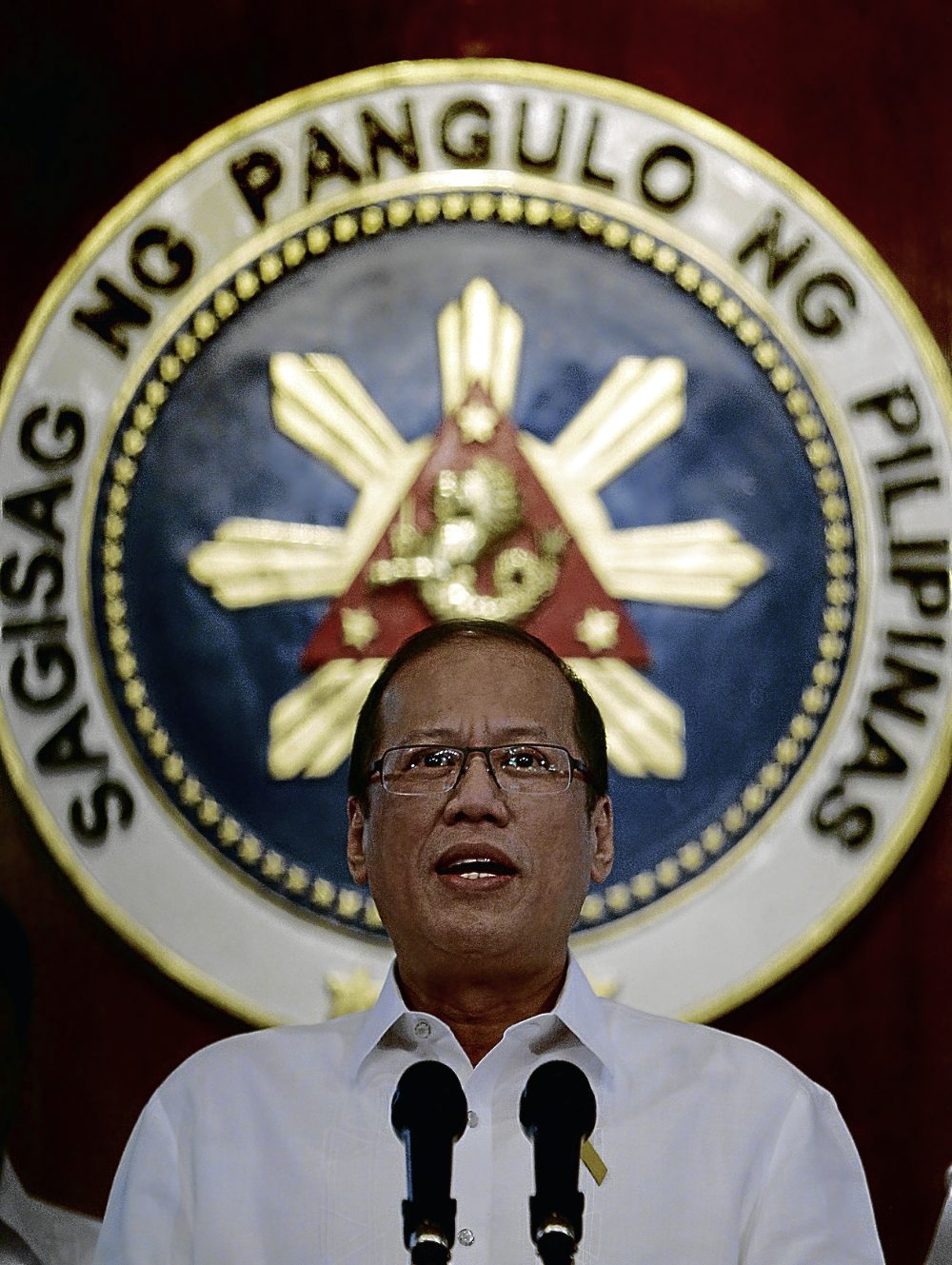
CONSPIRACY:
President Aquino issues warning to people who plotted the expedition of Sultan Jamalul Kiram III’s men to Sabah. MALACAƑANG PHOTO BUREAU

WALANG KAAWAY?
Noong di pa nagsisimula ang bakbakan, may pinakalat na feelers ang Malakanyang na may intelligence reports daw silang nakuha na may kinalaman ang dating administrasyon sa pagsalakay ng mga Kiram sa Sabah. Marami ang natawa rito. Ipatatawag daw ng Palasyo ang ilang tao noon ng administrasyong Arroyo, kasama na rito si former defense secretary Norberto Gonzales, ang parating pinaghihinalaang may pakana pag may ganitong mga pangyayari (Glorietta explosion during proceedings for Arroyo’s impeachment, LRT explosion during proceedings for Joseph Estrada’s impeachment, etc.) Sabi ng oposisyon at ng media, ano na naman daw stretch ng imagination ito ng Malakanyang? Bakit daw naghahanap ng kaaway na wala rito? Nasa Malaysia raw ang kaaway natin, at bakit daw di tulungan ng gobyerno ang ating kapwa Pilipino, ang mga Kiram?
     Pero kung intelligence reports, iaassume ba natin na walang katotohanang mayroon nga nito? Sa pagkakaalam ko, matagal na ang understanding ng Lakas people with CMD (Christian Muslim Democrats)/PDSP (Partido Demokratiko Sosyalista ng Pilipinas) people, kaya nga Lakas-Kampi-CMD alliance, which latter party includes Kiram (under Norberto Gonzales’ PDSP’s banner). Natatandaan mo ba noong pinag-uusapan pa lang ang ASEAN Economic Community na mula pa sa panahon ni Fidel Ramos? Tapos nagpatayo si Gloria Arroyo ng quasi-consular office sa Sabah noong panahon na niya? At di ito pinayagan ng Malaysia? Nung luminaw na ang usapang ASEAN Economic Community noong latter part of 2007, biglang sinabi ni Gloria Arroyo na di na interesado ang Pilipinas sa sovereignty claim nito sa Sabah. Marami ang umangal. Ano ang nasa likod nitong pagbabagong ito? Noong 2007, pinatakbo ng Lakas-Kampi-CMD si Kiram for senator. Bakit? Kung wala ka nang sovereignty claim na isinusulong, bakit kaalyado mo ang isang taong may patuloy na prorprietary claims sa Sabah? Ha? A, oo, may proprietary claim pa nga pala. Sinabi ba ni Gloria Arroyo na di na rin interesado ang Philippine government na suportahan ang proprietary claims na ito? Ibig sabihin, kung magkaka-ASEAN Economic Community, at ang Sabah ay magiging autonomous province ng ASEAN Economic Community, at rendered obsolete na ang sovereignty claims ng lahat ng bansa, at least mayroon pa ring proprietary claims. Shortly after Kiram was adopted by Lakas-Kampi-CMD's senatorial slate, pinalaya rin ng Arroyo government si Nur Misuari early in 2008. Naaalala rin ba natin ang dating attempts ng Arroyo government later for a Bangsamoro treaty on ancestral domain na nauwi sa pag-teterrorize ng ilang paksyon ng MILF dahil sa conflict ng gusto ng Malakanyang at ng desisyon ng Korte Suprema tungkol sa treaty? At may pamumugot pa ng ulo ng ilang miyembro ng Philippine Marines na nangyari?
     Tanong: ano ba ang maaaring interes ng mga tao ng Lakas-Kampi-CMD sa Kiram clan? At kay Misuari, gayung delikado pa ring challenge ang waning MNLF sa stronger MILF? Or, by a stretch of the imagination, ano ang puwedeng interes ng mga funders-we-don't-want-to-believe sa Sabah? Hmmm. Alam niyo, ang oil reservoir sa ilalim ng sedimentary rock na pinagkukunan ng mayaman-na-ngayong Brunei ay parehong source na pagkukunan mo kung magdidrill ka sa Sabah offshore. Matagal nang binalak palawigin ng Malaysia at ng Petronas ang drilling doon, pero dahil nga sa claimants hindi ito magawa (ng hayagan).
     Balik tayo sa funders. Noong pinaplantsa pa lang ang Bangsamoro treaty ng Noynoy Aquino administration, wala kang maririnig kay Nur Misuari. O baka lang hindi marinig dahil walang lumalapit na taga-media. Noong malapit na ang araw ng pirmahan at kumpirmado na ng government media ang withdrawal ng support ng Malaysia sa MILF (at waning MNLF), at Malaysia pa nga ang tumulong sa pag-uusap ng lahat ng partido, heto't nag-iingay na si Misuari laban sa treaty bagamat may mga delegates siya rito, na kung tutuusin mo ay wala namang mababawas sa kanya (unless maging unreasonable siya tungkol sa hatian ng natural resource revenues at sa territory na masasakop ng autonomous region). Or, heto't may mga taga-media nang lumalapit kay Misuari (sino kaya ang nagsabi sa kanila na puntahan si Misuari?). Ngunit ito ang tanong ngayon: kailan ba nagkaroon ng multi-million peso weapons ang mga Kiram? Sino ang nag-supply sa kanila? Bagamat sa una ay dineny ng MNLF na nasa likod din sila sa napabalitang sabotahe sa Bangsamoro treaty between the Aquino government and MILF at sa pag-provoke sa mga Kiram na gawin ang balak nila, noong Marso 5, 2013 ay kinumpirma ng MNLF spokesman na si Hadhi Acmad Bayam na mayroon silang mga Malaysia-trained na tao at mga nakatagong weapons na ipapadala para tumulong sa mga Kiram.
     Ngayon, corollarily, sino ang may kapangyarihan o access para ma-monitor ang accounts ng pamilya Kiram, their capacity to buy weapons, outgoing funds and incoming funds, big and small? At sino ang may capacity to monitor a sudden influx of journalists to Sabah prior to the Kiram's Sabah announcement of an "invasion"? Dalawa: Philippine government and Malaysian government. Ano ang findings ng intelligence nilang dalawa?
     Of course, we can choose to believe na walang funders, na lahat ng $3,000 ArmaLites ay donated lang ng mga concerned citizens. Oo nga at mahirap magpatunay sa publiko, lalo na kung may mga bagay na di puwedeng sabihin sa publiko regarding how governments can monitor the traffic of funds and sources (e.g., ipapaalam ba ng US na ang naintercept nilang Iraqi weapons ay galing sa team ni Oliver North kung hindi nag-leak sa media? Syempre hindi, internal na lang yon). Mahirap talaga para sa press release managers kung may delicacy sa paglabas ng information sa media kung may diplomatic repercussions din dito vis a vis a flammable public lacking in knowledge about the whole picture (inclusive of opposition partisans na may sariling propaganda agenda na nagbubulagbulagan sa whole picture). Tandaan natin na marami sa mga weapons ng MNLF ay nanggaling din ng Malaysia, at maaaring makasira sa role ng Malaysia sa mata ng publiko (both Philippine public and Malaysian public). [Conversely naman, puwede mong ilabas sa media ang mga bagay tulad ng existence ng isang Jose Pidal account na common knowledge sa isang bangko, pero iba naman ang haharang sa iyo roon sa paglabas ng detalye. Batas, hindi diplomatic issues.]
     We can choose to believe na walang funders, and even choose to believe all sorts of meme reports of rampant rape and torture sa isang Facebook wall na may larawan lamang ng nahuling mga bihag na galing sa kampo ni Kiram. Nagkalat ang “reports” sa Facebook na ni-layout sa Microsoft Word na nagsisisigaw ng katotohanan tungkol sa nangyayari sa Sabah na mga pagsasamantala ng mga Malaysian forces doon. Tila nanalo ang propaganda ng mga ganitong “reports” sa unang bugso sa mata ng matatalinong tao sa Facebook. Sabi ko sa sarili ko, kanya-kanyang confirmation bias na lang ito, sabi pa nga sa sociology. Hay naku, galing na ako riyan. Sa advertising industry, ang liit ng tingin namin sa masa (kasama na ang well-educated masses), madali mong mabilog sa pamamagitan ng mainstream at guerrilla media sa ngalan ng "katotohanan".


photo from loyarburok.com

AWAY NG MALALAKI VS. MALILIIT?
NGAYONG narito na nga tayo sa usapang AEC, sasabihin ba natin na tila biktima pa rin dito ang maliliit na tao na may mga buhay na nasawi at kailangan pa rin silang tulungan? Teka nga muna, sino bang maliliit, ang mga tao ni Kiram? Kung sasabihin nating ang AEC ay panaginip lamang ng mga malalaking industriya para sa kanilang mga sarili, thus an issue between people in power or big business and ordinary people like the Kiram warriors na namamatay sa sagupaan, hehehe, sino ba itong latter na tinutukoy natin? Ano ba ang interes nila? Di ba big oil business din para sa kanilang amo?
      Mas mainam na tanungin kung sino ang caught in the crossfire, sino ang kawawa. Inisip ba ni Kiram ang maaaring mangyari sa kanila, silang mga undocumented workers na Tausug sa Sabah, pag nakipagbakbakan siya sa Malaysian forces? Ano ang pakialam niya sa mga aliping Tausug na hindi miyembro ng royalty, ang interes niya ay ang claim niya sa oil reserves. Wala siyang pakialam sa maaaring mangyari sa kanila, pero ang nakakatawa, lumabas sa media na siya pa ang champion ng Tausugs. Ang micro-journalism nga naman, oo, at ang kanyang profitable na anecdotal factualizing at conclusions from one premise.
     Iyan ang nakakalungkot kapag puro facts ng politics on the ground and on Facebook walls ang kina-cover ng media, hindi ang facts ng geopolitcs behind the curtains na maaari sanang magbigay-linaw sa tao kung sino ang tunay na kakampi nila at sino ang huwad na champion. Lumabas na champion si Kiram ng mamamayang Pilipino at traydor ang sabwatang Pilipinas-Malaysia. Subalit sino ba ang magpapaganda sa buhay ng nakararami at sino ang mangingiwan lang sa maliliit sa tabi? Kaya lang kasi, ang mga usapang ganyan, PTV-4 lang ang nagcocover, boring.
     So, global conspiracy kaya itong AEC ng mga malalaking industriya? Subalit ang "global conspiracy" na ito ay transparent, lahat ng dokumento tungkol dito sa ASEAN Economic Community na ito ay available online. Pero magkakainteres ba ang ABS-CBN News o ang GMA 7 dito? Walang tensyon e. Syempre do'n sila sa mabenta. Isang babaeng ni-rape ng Malaysian police, kahit hindi kumpirmado at sinubo lang ng Kiram party o ng anti-Aquino part ng media, gagawing geopolitical reading. Nagsasaya ang opposition propaganda.


photo from http://www.prolanguage.co.th/

AEC LABAN SA AWAYAN
KUNG interesado sana ang media sa dapat ipinapaalam sa tao, o kung interesado sana ito sa konsepto na hindi dapat parating government-averse fourth estate ang media, at kung di rin sanang masyadong matatakutin ang government sa pagsiwalat ng tunay na impormasyon, disin sana ay matagal nang malinaw kung bakit inapura (as against “minadali”) ng Aquino government ang mga bagay-bagay tulad ng K-12, Framework Agreement on the Bangsamoro, etc.
      Kung may gagawa ng dokumentaryo tungkol dito, mainam sana kung ito’y all about the preparations for the 2015 ASEAN Economic Community launch, mga preparations mula pa sa panahon ni Fidel Ramos o beyond hanggang kay Arroyo kung kelan ito finally pinirmahan noong Nobyembre 2007, at hanggang sa Aquino period, kasama na ang pag-apura sa K-12, ang RH BIll (kasi kelangan kang magpakita na may interes kang magbawas ng liability para sa regional welfare fund), ang Bangsamoro treaty, airlines development at airport plans para sa ASEAN Single Aviation Market, etc., etc. Isama mo na rin diyan ang pagluwag ng Burmese government ke Aung San Suu Kyi, ang takot ng China kaya pinalibutan niya ang Spratlys at Scarborough Shoal, etc.
      Subalit kailangang i-brainstorm ng mga producers sa Ma Mon Luk iyang dokumentaryo na yan. Alam mo naman, sa network may awayan ang programming people tungkol sa topic, tungkol sa market, tungkol sa profit. At madalas nababasura ang usapang maganda ng geopolitics laban sa madalas na nananalong tensyong bigay ng micro-journalism, tulad ng bakbakan at iyakan. Sa Philippine news television, maliban sa PTV-4 at ABS-CBN News Channel talk shows, tila walang may gusto ng Discovery Travel and Living programming kung saan ang usapan ay umiikot lamang sa mga nakaraan nang labanan habang nagsasalo ang lahat sa mainit pang super-siopao. [END]


Monday, August 22, 2011

Moving On, In Hindsight, and Predicting the Future of Art


1. Moving forward, ano ba dapat ang artist?


IN TV host and social critic Lourd de Veyra's show on AksyonTV called Word of the Lourd, the host tackled the recent brouhaha over an installation art displayed at the Cultural Center of the Philippines, a brouhaha instigated by the media and taken up mainly by devotees of the Roman Catholic faith. My distant cousin Lourd, whom I constantly applaud with much aplomb on this his show, implied a preference for "moving on," however, which caught my questioning attention. He intimated that the country has bigger problems to tackle than this, this being an issue in art, that field far removed from the concerns of mainstream society. Here's that video:


     I do not mean to judge or make assumptions about my cousin's stance or stand on the issue itself, pero "Let's move on" ang operative formula na ina-apply ng marami nating kababayan sa mga isyung hindi natin nareresolba/mareresolba o di kaya ayaw nating resolbahin.
     Sinasabi ko ito dahil, sa isang perspektibo, may mga facet ng isyu akong nakikita kung saan puwede kang mag-apply ng resolusyon. Hindi rin ako sang-ayon na nagkakamali ang media tuwing tinutuligsa o tsinitsismis nito ang "maliliit" na bagay na hindi pinapansin ng masa, dahil ang mga journalists, tulad ng mga tsismoso, ay may kani-kanyang political agenda o socio-educational mission na ayon sa kanilang mga kultura o kaalaman o di kaya bias, at ang mga agenda o misyon at kaalaman o di kaya bias na ito ay makikita nating worth talking about, actually, kahit nilalabas nila ito sa maliliit na bagay lamang.
     Off the bat, isipin natin ang isang facet nitong malaki o maliit na isyu na 'to. Ang tanong: ang exhibition bang ito ay magiging malaking isyu ng journalismo at intelligentsia tungkol sa estado kung ito ay hindi state-sponsored art or at least state-facilitated art dahil dinisplay sa isang state-sponsored na venue, ang CCP? Kung ito'y dinisplay sa Ayala Museum, mag-rarally lamang ang mga konserbatibong deboto ng Simbahang Katoliko laban sa artist, sa curator, at sa mga Ayalas, di ba, at ang mga Ayalas lamang ang magiging malaking isyu. Wala nang pagreresign-in na mga otoridad ng CCP. (Sabagay, malaking isyu na rin iyon kung may nagtangkang sunugin ang Ayala Museum kung sa Ayala Museum nga nai-display ang Poleteismo ni Mideo Cruz).
     Sang-ayon ako, actually, na maraming malalaking problema ang naungkat ng exhibition. Isa na ro'n ang problema ng attitude ng estado towards institutionalized religion. Isa rin do'n ang problema ng pagdedesisyun nito sa kung saan dapat tinatapon ang pera ng bayan at sa kung saan hindi dapat. Panahon na na ang isang liberal na gobyerno ay magsabi na ang pera ng estado ay hindi dapat nakikialam sa pagtutulak ng art, sa dahilang ito'y nag-aaksaya lamang ng pera ng bayan sa pinaborang artists, maging mga kaibigan ko man sila o hindi. Panahon na rin na ang artist ay hindi maging artist na boses ng estado o isang rehimen/administrasyon kundi artist ng sarili niyang pagkatao bilang indibidwal o miyembro ng isang niche ng lipunan na gumagalaw independente sa suporta ng estado.
     As a corollary argument, kung censorship din lang ang pag-uusapan, may karapatang i-censor ng estado ang anumang art na ginastusan o ginagastusan ng pera nito. Kahit sa lighting man lang, or after the fact of the artmaking. Karapatan, I mean, na sa papel ay hindi ideal, lalo sa isang maka-demokrasya at maka-Konstitusyon na lipunan na dapat ay bukas sa lahat ng uri ng boses o pananaw, subalit totoo namang nangyayari pagdating sa mga aksyon ng mga screening committees. At depende na rin lang sa uri ng estado na gumagawa ng censorship: ito ba ay isang mapanupil na rehimen o liberal na gobyerno na gusto lamang i-censor ang mga materyal ng anti-democracy voices.

OO NGA. Bumisita si dating First Lady Imelda Marcos, ang asawa ng dating diktador na si Ferdinand Marcos, sa CCP exhibition, at ang ngayo'y isa nang Representative ng House of Representatives ay naglabas ng kanyang pagkamuhi sa nasabing installation project.
     Pero, in relation to Imelda's oft-quoted slogan "the true, the good and the beautiful," coming as it seems from the perspective of a royalist ideology, tingnan naman natin ang sarili nating mga konsepto ng truth, goodness at beauty from our own respective contending ideologies. I-iimpose din ba natin ang atin sa bayan? Sasabihin din ba natin sa tao na magbayad sila ng buwis para masustentuhan nila ang mga art at artists na may bersyon ng ating truth, ng ating goodness, ng ating beauty ayon sa ating ideology? Kung oo ang sagot natin, ano ngayon ang pinagkaiba natin kay Imelda?
     Bilang isang social liberal at isa ring kritiko ng ilang Roman Catholic policies at doctrines, dapat akong magdiwang sa tapang ng artist na si Mideo Cruz at ng mga art sponsors niya (curator, etc.). Subalit ayokong gawin ang ginagawa sa akin ng mga kalaban ko sa argumento (mula sa fundamentalismo ng institutionalized religion)---ang magdiwang tuwing nasasagot ako habang nakasandal sa poder ng ideloyohiya o teyolohiya na kumakalinga sa kanila, dahil alam kong dapat wala ang poder na iyon sa likod nila habang tumatakbo ang demokratikong argumentasyon. In short, wala silang threats na "patawarin ka sana ng Diyos" o "gabaan ka sana" na maririnig sa akin mula sa aking secular na punto de vista. At bakit ko nasabi ito? Dahil sa side naman ni Cruz, poder ng state art ang sinasandalan niya, at---sa pag-aming may karapatang masaktan ang relihiyon---ayokong sumandal sa poder ng sekyularismong iyon na kasalukuyang pinamamahalaan ng isang diumano'y social liberal na gobyerno. Dahil forever bang pag-aagawan ng mga ideologies o theologies ang CCP at National Commission for Culture and the Arts? O, in the US' case, forever bang pag-aagawan ang National Endowment for the Arts ng mga liberals, religious conservatives at Tea Party-ites? Ano kaya kung itumba na lang natin ang mga pinag-aagawan na 'to? Kung tayo, bilang mga social liberals (o Christian o atheist progressivists man) ay nakikiagaw kay Imelda, ang stalwart ng Philippijne royalist ideology, wala tayong pinagkaiba sa kanya. Pare-pareho tayong gustong magdikta ng ating malamang estetiko sa buong bansa.
     Dahil bagamat ako ay isang social liberal, alam ko rin na ang liberals ay hindi ang buong bayan. Kung ang ating asta ngayon ay, "kaming mga liberal ang hari ngayon, hawak namin ang CCP ngayon, kami ang masusunod, art namin ang masusunod," aba, huwag tayong magrereklamo kung sa mga darating na taon na si Bongbong Marcos naman ang presidente, ay sabihin niyang "o, mga royalist na naman ang may hawak ng CCP ha, art naman namin ang masusunod. Back off kayo." (This is assuming, of course, that Bongbong Marcos won't surprise us with a future sudden reconfiguration of his person from being a defender of his father's record to being a real champion of the masses and the country's coffers' integrity and strength, should that be possible.)
      We should not weary in the eternal struggle of raising self-critical banners. Just as we won't with a possible hundred years of war with un-self-critical fanatics, given that a state of civil war might be acceptable to many if that's what would wake us up to the virtue of democratic tolerance. So, today while debate is still possible, and debating with oneself won't necessarily be by virtue of a gaslighter's effort but by one's own scruples, so I'd say, that even if I were the lucky type who often gets my way, I'd still be against state sponsorship of my art and art profession. For state sponsorship is at the very heart of the Mideo Cruz piece, even if all the state did was provide Cruz a space with gallery lighting! On this issue, at least, I'm one with Newt Gingrich. LOL.
     But yet, also be aware that many US Republicans don't exactly want the NEA abolished. They just want it governed by conservatives who would put up evangelical art. If they can have it their way, they won't want to get rid of state sponsorship of the arts and the arts profession. They won't be one with Newt Gingrich.
     At, finally, sa debate tungkol sa piece ni Cruz, sa bandang akin lang naman: kung may poder man ang secularism na gusto kong sandalan sa anumang argumento tungkol dito, ito ay hindi sa pagdikta nito ng sekyularismo bilang haven ng panginginsulto sa relihiyon kundi sa pagdikta nito ng prinsipyo ng demokrasya na nagbibigay ng kalayaan kanino man na manginsulto kanino man. 

2. In hindsight, what is art, who is it for, at ano ang matalinong art?


STRANGE THAT in novelist F. Sionil Jose's philSTAR.com column titled Hindsight, he would have had the opportunity to get a "perfect view in hindsight" (two weeks after the controversial CCP exhibition opened) and yet came up with nothing original, nothing different from what the protesters against the exhibition had to say (were continuing to say). In short, it was as if Jose was out with it merely to announce on which side he was, and taking the case of the protesters instead of the exhibition's supporters' side (or the supporters-of-the-exhibition's-rights' side), at least in the query area of whether the exhibited installation art was art or not. He clearly voiced his support for the protesters through the title of his column article, "The CCP Jesus Christ exhibit: It ain't art".
     Ahem. Okey. Mga kaibigan, naalala ko tuloy.
     Isang araw kasi noon, nagpatugtog ang kaibigan kong FM radio deejay ng Pearl Jam grunge sa radyo nila, kaya tanong ng station manager niya, "ba't yan ang pinapatugtog mo? Mawawalan tayo ng listeners nyan." What did my friend do? Did what was expected of him, played the '70s folk-rock band America's "A Horse with No Name" followed by James Taylor's "Your Smiling Face." "Yan ang rock," sabi ng station manager. Pagdating ng dapithapon, nag-inuman kami ng kaibigan ko at buong gabi naming tinalakay ang definition ng rock music. Napunta kami sa new wave music, kung saan chinallenge ang idea ng pagka-rock nang walang electric guitar, at sa kung saan-saang dako pa ng genre-fication. Kinaumagahan, nung ako'y magising sa aking hangover, isa lang ang na-realize ko. May isang milyong definition ng rock music. Pero nakatulog lang uli ako, at doon naman sa dako ng aking paglalakbay habang tulog, napaniginipan ko si Prof. John Lennon na minumura ang estudyanteng si Kurt Cobain. Sabi niya, "ano ba yang pinaggagagawa mo, Cobain? Pakinggan mo ang 'Woman' ko. Ganyan gumawa ng kanta, okey?" . . . Uhm, pa'no ba alisin ang hangover? Uminom na uli ng isa pang bote pagkatapos sumuka? Parang ganon nga yata. Uh, you were saying?
     Where was I? Ano bang argument pa ang sasabihin ko sana? Oh, yes. Sabi ng isang Facebook friend of a friend, "Unfortunately, the intolerant side won't even let you finish a sentence by instantly pushing the usual 'shut up', 'bobo', 'bastos', or, worse, the 'gaba-an' threat as well as death threats." Tuloy ng kaibigan ng kaibigan ko, "It baffles me how anyone can just throw the word 'bobo' around when you need several intelligence tests to accurately come up with a conclusion. Even then you need to establish if these tests are culture-fair pa, and then there's EQ vs IQ . . . "
     Where was I? Oh, yes. Sa bus nung isang gabi, sumakay ang isang barkada ng mga estudyanteng high school. Ang lalakas ng boses! Sabi ng isa, "si ma'am yun." "Gago, hindi si ma'am yun," sabi naman nung isa. "Si ma'am yun, bobo." "Ulol, kitang-kita ko ng mga mata ko, gago ka ba?" "Tarantado ka," sabi ng isa, sabay batok sa kaibigan habang sila'y nagtatawanan, "hindi ako gago, 'no. Alam ko ang hitsura ni ma'am, tanga ka pala e." . . . Mahabang kuwento 'to, pero sa madaling salita, dumating din sila sa kanilang paroroonan, silang maiingay na mga gago, at wala namang nagalisan o nasabunutan ng buhok. Buti pa ang mga high school, sabi ko sa sarili ko, pag gumagamit ng mga salita galing sa social science, walang intolerance. Lahat ng "bobo," "gago" at "tanga" ay kaibigan.
     But, to be fair, Jose never used the word "stupid." Instead, he only used the words "immature," "juvenile," "ridiculous," and phrases like "lack imagination," "don't think hard enough," among other implied hellfire of judgmental language.
     Hanggang dito na lang ba ang usaping ito? Sa side ni Jose o ng kanyang kinikilingan ay ang truth o artistic truth, at ang kabilang side ay ang kabobohan? The name of the Truth, the Good, the Beautiful . . . Amin?
     Ang sinasabi pa ni Jose, ang artwork installation art daw dito sa exhibition in question ay copied art, lacking in imagination or originality. A gimmick, then! And should go back to the drawing board.
     Where was I? Oh, yes. Isang gabi, nag-daydream ako na isa akong critic na kelangan me sulatin. Di ko alam saan ako magsisimula. Ah, biglang sabi ng epiphany area ng aking utak, may titirahin akong mga derivative art. Ewan ko kung ano ang nangyari, pero napunta ang panaginip ko sa pinagsasasakmal ko ang isang derivative art sa di ko alam na dahilan. Oo, hindi ko alam ang dahilan. Hindi ko alam. Ang alam ko lang, wala akong sinabi sa sangkaterbang iba pang derivative art, o sa sarili kong derivative art. Para akong tambay sa kanto na may nakursunadahang iisa lamang, at di ko alam ang dahilan.
     Now, it may be that no one's awaiting my opinion on this, but let me just clarify to those who have stumbled into this that, in contrast to Mr. Jose's unclarified position, I'm neither on the side of the Church of Caiaphas (which is what I've come to call the Catholic Church authorities' recent temple of corrupt behavior under Gloria Arroyo's previous government) nor on the side of the sons of Christian aniconism. I'm just a man on a bus petting a historical hangover.

PARDON MY attempts at wit. Wit is a 1995 play and 2001 movie about cancer.
     I mean, God forbid the GabĆ¢ (instant or imminent bad karma). Or death threats. And so I say to you, to Christians like myself (cafeteria Christian though I am) there ought to be no death, no darkness, no end to the Christian perspective. And yet we put out with holy water the fire we stoke for Joans of Arc? Nakaka-puzzle ang death threats (o ang mga tipong death sentences ng Opus Dei sa mga nobela ni Dan Brown hahaha), dahil dapat hindi parusa ang sickness o death sa Christian philosophy. Ito kaya ay patunay lamang na maraming Christian gurus kuno ang walang pakialam sa mga turo ng kanilang libro at hero?
     "Sana gaba-an kayo," sigaw ng mga deboto, gayung sabi ng kanilang hero, "love your enemies." Tama nga naman si Hero. Di ba't ang iprinopose niya noong thesis ay ang anti-thesis sa Ancient Roman philosophy of Might? Sabi ni Hero, hindi Might for Might, kundi Love ang magpapatumba sa kaharian ng Tiyuhin ni Caligula.
     Pero tila mali ang metaphor natin dahil lalabas dito na ang iilang iconoclasm ngayon ay gawa ng mga pagano at "Romano" ng ating panahon. Di ba't si Hero mismo ay ang iconoclast ng Judaismo ng kanyang panahon? "Wala akong pakialam sa sinasamba nyong Templo ng kabuktutan," tila sabi niya noon, "itutumba ko yan at papalitan ko sa loob ng tatlong araw."
     Dapat na nga yatang tumbahin ang CCP ng "Caiaphas-approved art lamang ang puwede at ipapako sa krus ng media ang susuway." Itayo muli ang "templo ng tao at ng puso" na hindi gawa ni Imelda kundi ng bawat simpleng bato sa kanto! At dapat hindi ang The Rock ang punong-kritiko!

PARDON MY attempts at wit. Dahil sasabihin lang ng mga deboto, aha! ang witty sa sineng Wit ni Mike Nichols ay namatay sa cancer, buti nga. GabĆ¢. Ang isa pang friend of a friend na nag-witty mimic sa exhibition art na pinag-uusapan natin dito ay biglang na-ospital dahil sa isang pamamaga sa mukha. Isang supporter ng exhibiting artist in question ang isinugod sa ospital ang anak. Well, let me say this. Lahat ng tao---may sabihin man laban sa Simbahan o wala---ay nagkakasakit o namamatay. Kaya nagtataka ako kung bakit itunuturing na GabĆ¢ ang sickness at death, lalong-lalo na ng mga deboto na dapat ay unang nakaaalala sa mga turo ng kanilang martir na nagpakamatay sa mga pahina ng Bagong Testamento.
     Should this attitude towards GabĆ¢ or retribution among the Church's faithful to be viewed as a koan cum puzzling paradox, Christianity's history being replete---as I said---with a constant involving the burning of its own people whom it would later pronounce as its saints? Jesus of Nazareth himself, let me repeat, was an iconoclast at Caiaphas' Church.

PARDON THE depth of my subtext. My bad. History makes bad ad copy. Unless, of course, its strategy is to provoke questions. And my friend, the veteran journalist-activist Sylvia Mayuga, says there's good news about the CCP. That "things are changing as we speak; issues are being clarified, starting with ourselves." Well, remains to be seen in what direction of defining goodness it has chosen to move towards. For, putting aside my usual contention against the state's role in supporting art-making activities beyond museums and libraries maintenance, I could cite an example of an ill-advised direction.
     A friend of Mayuga's echoed and reiterated lines of argument coming from those whose moral standpoint have been offended by the art in question.
     "Freedom is not absolute . . . carries with it a sense of responsibility," says one recurring line. This is true, and that is the reason why we have laws, statesmen, legislators and lawyers on the one hand and warlords and assassins on the other. The "one hand" as well as "the other" provide society with the parameters, the "one hand" with the letter and/or wisdom of the law and the state, the "other hand" with violent/death threats and/or their quick implementation.
     And, true, the artist must have a sense of responsibility. But firstly a responsibility to himself and his cause, be it the cause of evangelical art, Marian art, punk art, bad art, or whatever. Restraint must be, but in fact is, part and parcel of the process of art-making itself wherein decisions of what to include and what not to include are a constant. But the question now is: who should nudge an artist's propensity to allow excess or shyness, himself or the state? Who shall have the post of The Measurer of excess or non-excess? Him? Me? You? Your mother? F. Sionil Jose? The Pope? The majority? The minority? The individual? Those are the questions.
     "Junk art is no art," true. Unless your art is "junk art" (subgenre of "found art"), which---after the conscious self-labeling or admission of the label---might qualify an art genre category assignation unto itself, and thus to be read according to this genre's elements and terms. It escapes Jose that in the same way the sonnet is its own art enjoyed differently from the way one enjoys the art of the epic poem, so installation art is its own niche art and language different from the artistic language of craft-driven photorealist painting. So, abstract expressionism and minimalist art are their own painting genres with concerns and ironies different from the concerns and ironies of a, say, religious hyper-realist work. This, in the same way that noise rock is an artistic musical genre with elements and a thesis separate from and independent of the standards and thesis of easy-listening Bing Crosby. So, therefore, the question now is: Who shall be appointed to the post of being the measurer of "artful"-ness and "artless"-ness among the different arts and their approaches to the enjoyable, their artistic languages, their theme treatment concerns, their ironies, their elements that comprise their language, their standards? Critics? Artists themselves, as their own best critics? Me? You? Your mother? F. Sionil Jose of PEN International? The Pope? Catholics? The Opus Dei? Protestants? Gnostics? Agnostics? Aniconists? Engineers? Psychiatrists? Haute cuisine chefs? Manicurists? Those are the questions.
     "Ethos" and "merit" were words waved by Mayuga's friend. But these concepts shall forever be debated on the surface of the earth as well as in the bunkers, and liberals and conservatives (in society and in art) shall forever be at each other's throat over these. Bearing this in mind, one can now go out into the day and clearly decide on his responsibilities---responsibilities to his faith, to his politics, or to his art.
     Well, okay, some others would say responsibility to the state, to the majority, or to his death-threatened family, but I would leave that to the bearer of his own mind who, in the end, will have to make up his own mind, . . . whether he decides on his responsibilities at the point of a gun or the point of resolving an artistic or thematic point.

I HAVE always been of the belief that free society has encumbered the individual with responsibilities that go with his freedom. The individual has to exercise his sense of measure in his quest for survival within the laissez-faire traffic of thoughts and decisions and actions in the social environment consisting too of others' freedoms. And so, in this society, responsibility readily resides in the individual. However, the state, for as long as it subscribes to the tenets of democracy that seek to protect the freedom of the individual, would have enacted laws that affirm as well as protect the equal freedoms of each one. Thus, freedom of expression, thus freedom of religion, and so on and so forth. Ideally in a free society, a society such as what the United States' laws and many European countries' laws seek to maintain, the state only interferes when an exercise of one's freedom hinders another's. For instance, one may deem it his right to cross any part of the highway at any time of the day, which may in turn hinder vehicle owners' right to a free-flowing highway devoid of potential human roadkill. The state would, and often does, interfere in such simple problematiques. However, when one spits on the name of a religion or a religious practice without hindering that religion from exercising its freedom to exist, it should be a no-brainer that the state cannot and must not interfere. Thus, the UK did not find it difficult to say that Salman Rushdie, who many Moslems deemed insulting, had the right to insult, even as the state did not share his "insult" (many mosques are allowed to exist in England).
     And so, now, we go to a suggestion to put up authority bodies akin to the Union of Soviet Writers passing judgment on the oppressive works of the Alexander Solzhenitsyns of our place and time. Regulation of artistic practice is being peddled as an attractive notion. Does this notion negate the ideal of a free society? I believe it does.
     True, when I agreed above that individual freedom does have its responsibilities, I did not only mean to allude to such Karl Popperian dictums on an open society as the individual's duty to be aggressive with his opinions while always on the ready to accept his obsolescence, I also meant to allude to the individual's sense of measure, restraint, and other social considerations. This sense may include such choices as civility, giving the other space to save face, avoiding provoking emotional limits, and so on. But in no way was I implying that I'd be in on the idea of forming authority bodies to police individual freedom. Thus my question, "who will decide for the individual, your mother?"
     The Union of Soviet Writers was one such "collegial body" as those being suggested for the Philippine democratic environment. It was appointed by the Soviet state to police individual writers. But it was perfectly understandable for the Soviet Union to come up with that, because the then-Union's concept of democracy was not intended for the individual but only for the collective. I, as a poet and fiction writer and blogging critic as well as a citizen of this republic, spit on the idea of any Philippine collective or committee deciding for the individual. Certainly we have fellow artists and fellow citizens as well as critics and self-appointed critics on blogs who have been given by the state their own freedom to denounce and malign an artist, but the denounced artist's own rights cannot be trampled on by their own respective freedoms.

OH YES, certainly there is that other option in a free society that is also mentioned as an ultimate course of action for those who've been offended by the CCP exhibition. Yes, indeed, there is always that option for legislators to turn the state into freer atmospheres or less free atmospheres.
     In the United States, for instance, some Republicans have been demanding that the state sponsor evangelical prayers in public schools as well as the putting up of statues of stalwart evangelical leaders of the pioneering era in public school campuses. That is certainly going in the direction of more freedom for evangelical devotees at the expense of Moslems, Catholics, Jews, Lutherans, and so on, who are themselves paying their taxes to the state. Do states do this kind of stuff at all? Yes, they do this all the time. And that is why there is always a see-saw of leaderships in the history of democracies, also because of citizens' demand for either more freedom or less freedom for others as time progresses or regresses. In our own state and time, for instance, we do not allow the freedom of the pornographer to exercise pornography, at least on paper. We do not recognize homosexuals' right of access to civil marriage. But at the same time, we have other freedoms that other democratic states don't have. Hundreds of barangay governments allow dog owners to turn our streets into canine toilets. Local peanut butter manufacturers are not policed by aflatoxin level guidelines. Philippine companies are allowed to discriminate against jobseekers by reason of their sex, religion or age.
     And so it is up to us as a nation of citizens, either by plurality voting perhaps or by the power of reason and mutual respect as per the decision of our representative democracy, to decide whether we want more freedom or less freedom in certain areas of our social existence and co-existences. Many do demand more "order," as some of those anti-CCP exhibition guys would put it, while many others also demand more freedom, recognizing perhaps that there is (or can be) order in the plurality of voices in our land. While some of the latter would allow that they might consider the requirements of civility in criticality, others are firm in their conviction that even such exercises as radical aniconism, iconoclasm and even downright artistic insults in the practice of an art have a place in an ideal democracy.
     Again, it is up to us as free individuals cum collectives of a free nation and open society to decide now whether we wish to diminish or expand our neighbor's roster of freedoms. And ponder, likewise, the consequences of any reduction or regulation both on them and ourselves.

NOW, CERTAINLY I could not avoid mentioning above the notion of violence and death threats resorted to as options by certain individuals in our society. For the very reason that THESE WERE RESORTED TO in the case of Mideo Cruz by certain apologists, I believe, of the Roman Catholic Church. Some say these threats were an Opus Dei crusade's signature, others say these were merely prank calls by Cruz's personal enemies. Whatever they were, they were there.
     And to assume---in Cruz's defense---that these external dynamics (death threats, and so on) are not part of the art is precisely to go back to the New Criticism belief in the integrity of the artwork ("what pertains only to the artwork") independent of the social space the artwork inhabits or invades. Remember that this social space ultimately owns the artwork as per this space's interpreters' majority take on the art. And while this independence of the art object is also called forth---by those denouncing Cruz's art---for a judgment of the artist qua artist, as if to claim they are merely judging the art as art (its integral elements) so to qualify its failure as art, those guys also clearly contradict themselves by calling in such writings as a George Steiner essay on literature, society and the inhuman or such lines as those from Albert Camus on moderation and excess, calling these good discourses on the "reach of literature" and "(by extension, art)". Incidentally, if I remember my Camusian and Sartreian existentialism correctly, wasn't it a philosophy that tried to throw responsibility back to the individual away from the state and moral authorities? Wasn't Camus' The Fall a portrait of one such moral authority in the process of questioning his own morality?

"WHAT'S THE bottomline?" the friend of my friend asked. "If we're to establish limitations on art and its expression, why? Is it at all possible to simplify matters into pros and cons/cost-and-benefit analyses? Are our fears and concerns about not putting limits on expression valid or not?"
     "May cons siyempre, pare," sabi ko. "If you're pro-X, you're bound to hear extreme pronouncements against your stand from anti-X and pro-Y folks. But the pros of an open society outnumber the cons. No one will stop you from putting out your own pronouncements against the stand of the anti-X and pro-Y. Most important of all, while it is hard to listen to the outbursts of a position in conflict with yours, it is far harder to live in a place where we keep each other from talking."
     Let me put up this proposal, I continued. What if we follow our other friend's suggestion and start applying that on Facebook, wherein a committee will have to review all opinions bordering on insults before one can press the Enter key. You want to try that experiment? Okey ako ro'n. But we should all be ready with the consequences. There will be a struggle to occupy seats in that committee, and God knows where it might all lead. Northern Ireland? Constantinople once again?
     "What I don't get here is why these lawmakers are putting more stock in prosecuting someone who supposedly 'hurt' sensibilities, totally overlooking the fact that somebody else actually threatened his life, destroyed property, and attempted to commit arson---what if the CCP burned to a crisp because of what he did? So it's perfectly understandable for people to threaten someone's life, maybe even take his life and burn his property if 'sensibilities' are offended?"
     Yan ang problema sa batas na yan na nagsasabing di mo puwedeng insultuhin ang anumang relihiyon, habang binibigyan natin ang relihiyon ng karapatan na insultuhin ang sinumang indibidwal, sabi ko. Ang isa pang problema dyan, wala akong alam na legislator na hindi beholden sa relihiyon at sa hatak ng boto ng institutionalized religion. Kung meron man, iilan ang sasama sa kanya sa pagpanukala na ibasura ang may kiling na batas na ito?

3. Art from now on, ano ba?


WE ARE all Barthes.
     But first, my friend the painter Marcel Antonio is right, the artist has the responsibility to manage the contextualities and impending contexts of his art, even---or specially---when the artist intends a free contextualization of his imagery vis a vis a plural or potentially antagonistic society. We might recall the machinations of absurdist plays, which---while they pronounced the absurdity of existence---yet were structured in such a way as to communicate those absurdities, in essence negating absurdness by packaging absurdities in consumer-friendly tetra paks within the library of orderly categorizations. Some absurdists were aware of that contradiction.
     Yet Mideo Cruz is also right in saying he can't control the audience, taking---I'd like to think---after Roland Barthes' extremist (?) assumption that each man reads a thing differently or that a man can read a thing in various different ways at various different times. Still, Marcel might still ask Mideo, "did you intend to control the audience in the first place?"
     I know where Marcel is coming from. We might take as an example the marketing of CDs or movies. A US version of a rock star's album would be tweaked to include another song in exchange for a removed song for its UK release. A band would refuse to play a popular song of theirs in certain areas of the world for reasons sometimes only privy to their managers and promoters. A Filipino movie that premiered in LA might be retitled and resubtitled for Cannes. In short, artists or their managers do manage contexts or impending contexts. Even Mitsubishi decided to do away with the name Pajero on one of their vehicles for Spain's market, understanding that in Spain "pajero" is the slang term for a wanker.
     Still, Mideo by Barthes would be right, for managers are sometimes surprised when their tweakings result in more controversy rather than the pacific atmosphere their engineering minds expected to find.
     So, what does this Mideo Cruz affair finally give us as a final context?
     Let us consider the absence of the old New Criticism approach to the artwork as integral to itself removed from the authority of the artist. Think, for example, what might have happened had Cruz died of dengue after putting up his art project without anybody except CCP authorities knowing about this "departure." Certainly we would still be screaming for the artist's explanation, placing that absence in the context of the art, say, as manifestation of fear and guilt. Later, we may become aware of the artist's demise. We would then find ourselves recontextualizing the art with that outside "old/new" reality attached: with, say, the artist's "death as gabĆ¢" context, for one.
     Yet others might crop up, shouting celebratory slogans, declaring Cruz a hero of aniconism or even an inspiration to the ire of Islamic terrorists (who may not read the Qur'an but) who dismiss all Christian icons as imageries of the infidel. Cruz would not be there to announce his distance from any such causes.
     Could Cruz's constant refusal to answer intent part and parcel of his art? Is he feigning ignorance in order to test the extent of the Filipino audience's ability to weigh things? Is he being a pollster-artist? We don't know.
     Whatever the artistic intent, what does this affair finally give us as its final context as it evolves in the culture and zeitgeist of our land, amidst our people's minds today?
     To me and my humble semiotics, it is finally a test on our democracy. It goes beyond mere questions of taste that say, "punk rock is just noise and Bing Crosby's is real music" or "this is bad art and Marian art is the pinot noir of Philippine artistic achievements." It asks, furthermore, questions on the role of icons in Philippine Christian worship, the role this worship plays in Philippine state laws, and the state of Philippine politics today in relation to religious hegemonies. That is to me the final achievement of Cruz's work. It could be that he didn't intend that, but like you and me, who in this debate had been interested in what the artist wanted to say?
     We are all Barthes.

NOW, WAY before Barthes was born (1915) there was Marcel's namesake, Marcel Duchamp. A urinal is supposedly a non-art, mundane boring item. Put that in a gallery, however, and it becomes poetry ("Fountain", 1917).
     Barthes proposed that the mind has its own galleries. Like Duchamp, we can pick any bad art or ugly art or tramp art and turn that into brilliant art according to the reading of our mental galleries' considerations.
     I wouldn't, for example, be surprised if Barthes announced this imagery above as illustrative of the Catholic Church's crucifixion of the penis on top of the Christ (albeit the penis is now hard as wood) in the Church's present campaign for abstention and against masturbation. The Christ, meanwhile, while used as cross is simultaneously miscast as behind all this penile crucifixion.
     Nor be surprised if Barthes is to invoke a feminist take on the image as representing institutionalized Christianity as that phallic, male-centric movement for gender mainstreaming. Which, incidentally, was what Cruz---in an online magaizne interview---actually said was what that artpiece was all about.
     But Barthes is his own Barthes, separate from the Barthes in the artist. Many of my fellow Catholic friends are a different collective-Barthes altogether, with their own take on things. Thus their declarations of wanting to take over the state and barricade the bill of rights for their rewriting, towards the reification of their metanarrative.

WHILE WE'RE on Barthes, I'd like to call attention to his The Pleasure of the Text, wherein he made an effort to demonstrate a way by which reading can escape both the clutches of the vicious Left and the bourgeois Right. His vehicle of choice? Hedonism. Further, in A Lover's Discourse, he sought to come up with rhetoric that would veer away from socially-dictated meanings. He would essentially fail in both of these efforts, however, in the same way that Mideo Cruz (assuming he's also on this same path) failed to extricate himself from social contexts in a punk-like hedonistic immersion in supposedly "socially freed" image-making.
     Still, the point is not so much in the success or failure of the effort. It is in the effort, which by itself presupposes the existence of social dictators of meaning from which one seeks to escape. The furor over the effort only braced the point of that hegemony's existence.

A FRIEND of several friends commented, "I'm getting tired of this whole Brouhaha! Couldn't people just get a life?"
     To which I said, "I wish the continuing furor over the art project (yet for exhibition elsewhere) by some Catholics and media personnel would listen to you and leave art alone to exercise its freedom to blaspheme anything and anyone. But, no, they had to help art get a boost and a new life in the popular stream by being its talent manager and designing this 'scandal'. They could've just ignored the artpieces and enjoyed Mompo wine with pesto bread and Parmiggiano-Reggiano cheese, after which they might have had all the time to have siesta before the next Day of Obligation mass to be attended by the mayor's daughters." They could have flaunted forgiveness instead of anger and hatred.
     Another friend of a friend of a friend, meanwhile, said, "The artist is mad at Christianity. There's a sure sign that it's in his system."
     To which I offered, "I cannot speak for the artist but I can speak for my own reading of the artworks, as only I could and perhaps should for those interested. For there is such a thing as 'aniconism in Christianity', in contrast to aniconisms elsewhere, which therefore makes it not an extra-Christian attitude but one which had been at work within Christianity. Its manifestations is most remembered in Early Christianity before 325 AD, in the Byzantine iconoclasms of the 8th and 9th centuries (730-787 AD and 814-842 AD), in 16th cenutry Calvinism, and in 16th and 17th century Puritanism, but is definitely present in our century most notably in Christian Fundamentalism. It might be more apt to say the artwork is 'mad at Christian imagery, especially Catholic imagery'."
     Now, assuming this reading of mine (one of a few other readings I could muster) jives with the artist's own intent, what now?
     It's about time artists wake up to the reality bite of The Death of the Author, if they haven't already. That death can be for real, without being literal. Because art from now on, in a more compartmentalized world, shall be that struggle between the artist's silence outside of his art and the collective audience's noise within their own metanarratives upon art.